

Understanding Lice Infestations: Prevention and Treatment
Lice infestations can be a distressing experience for both children and adults. These tiny parasites thrive on the human scalp and can cause itching, discomfort, and embarrassment. Understanding how to prevent and treat lice is essential for maintaining a healthy and comfortable lifestyle. In this post, we will explore the nature of lice, effective prevention strategies, and treatment options to help you tackle any infestation that may arise.
What Are Lice?
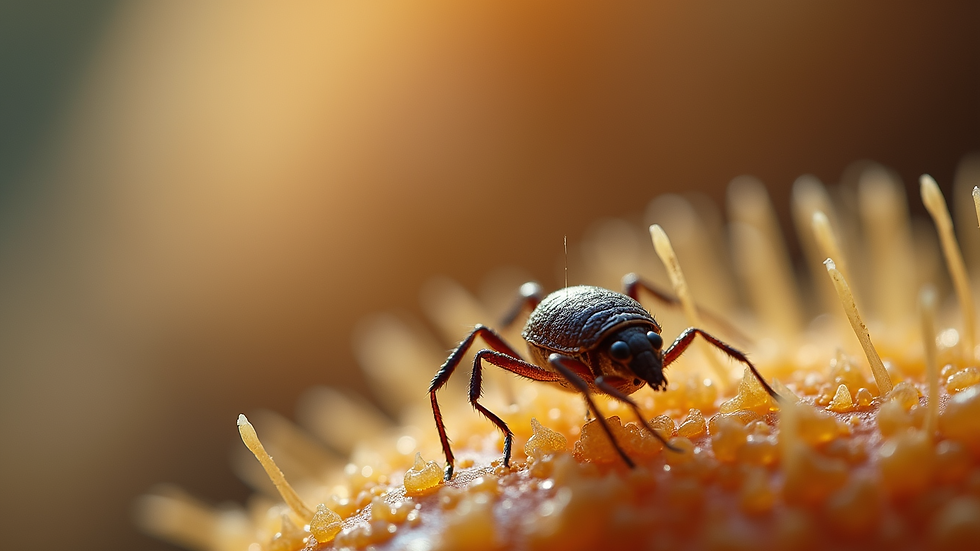
Lice are small, wingless insects that live on the scalp and feed on human blood. There are three main types of lice that can infest humans:
Head lice: The most common type, primarily affecting children.
Body lice: Typically found in people with poor hygiene and are associated with clothing.
Pubic lice: Also known as "crabs," these lice infest the pubic area and can spread through sexual contact.
Life Cycle of Lice
Understanding the life cycle of lice can help in effectively managing an infestation. The life cycle consists of three stages:
Eggs (nits): Lice lay eggs that attach to hair shafts close to the scalp. These eggs are often yellow or white and can be mistaken for dandruff.
Nymphs: After about a week, the eggs hatch into nymphs, which are immature lice. They begin feeding on blood and grow into adults within a week.
Adults: Adult lice are about the size of a sesame seed and can live for up to 30 days on a human host. They reproduce quickly, laying up to eight eggs per day.
Signs of Lice Infestation
Recognizing the signs of a lice infestation early can help prevent it from spreading. Common symptoms include:
Intense itching: Caused by an allergic reaction to lice bites.
Red or irritated scalp: Scratching can lead to inflammation and secondary infections.
Visible nits or lice: Checking the scalp and hair for eggs or adult lice is crucial.
How Lice Spread
Lice are highly contagious and can spread through:
Direct head-to-head contact: This is the most common way lice spread, especially among children.
Sharing personal items: Hats, hairbrushes, and pillows can harbor lice.
Close physical contact: Activities like hugging or playing closely can facilitate transmission.
Prevention Strategies
Preventing lice infestations is key to maintaining a lice-free environment. Here are some effective strategies:
1. Educate Yourself and Others
Understanding how lice spread and the signs of infestation can help you take proactive measures. Share this knowledge with family, friends, and caregivers.
2. Avoid Sharing Personal Items
Encourage children to avoid sharing hats, hair accessories, and personal grooming items. Keeping personal belongings separate can significantly reduce the risk of transmission.
3. Regularly Check for Lice
Conduct regular checks, especially after sleepovers or playdates. Use a fine-toothed lice comb to inspect the scalp and hair for nits and lice.
4. Maintain Good Hygiene
While lice are not a sign of poor hygiene, maintaining cleanliness can help. Regularly wash bedding, hats, and clothing in hot water to eliminate any potential lice.
5. Use Preventative Products
Consider using lice prevention sprays or shampoos that contain natural ingredients. These products can create an unfavorable environment for lice.
Treatment Options for Lice Infestation
If you discover a lice infestation, prompt treatment is essential. Here are some effective treatment options:
1. Over-the-Counter Treatments
Many over-the-counter (OTC) treatments are available, including shampoos and lotions containing insecticides like permethrin or pyrethrin. Follow the instructions carefully for effective results.
2. Prescription Treatments
If OTC treatments fail, consult a healthcare provider for prescription options. These may include stronger insecticides or topical treatments.
3. Manual Removal
Using a fine-toothed lice comb, manually remove lice and nits from the hair. This method can be time-consuming but is effective when combined with other treatments.
4. Home Remedies
Some people prefer natural remedies, such as:
Essential oils: Tea tree oil and lavender oil may help repel lice.
Vinegar: Rinsing the hair with vinegar can help loosen nits from the hair shaft.
5. Cleaning and Disinfecting
After treatment, it is crucial to clean your home to prevent re-infestation. Wash all bedding, clothing, and personal items in hot water. Vacuum carpets and furniture to remove any stray lice or nits.
Dealing with the Emotional Impact
Lice infestations can be emotionally taxing, especially for children. Here are some tips to help manage the emotional impact:
Stay calm: Reassure children that lice are common and can be treated effectively.
Involve them in the process: Let children help with the treatment process to empower them and reduce anxiety.
Seek support: Talk to friends or family who have dealt with lice for advice and encouragement.
When to Seek Professional Help
If you have tried multiple treatments without success or if the infestation persists, it may be time to consult a healthcare professional. They can provide guidance on more advanced treatment options and help rule out any underlying issues.
Conclusion
Understanding lice infestations is crucial for effective prevention and treatment. By educating yourself and others, maintaining good hygiene, and utilizing appropriate treatment options, you can manage and eliminate lice effectively. Remember, lice infestations are common and can happen to anyone. Stay informed, proactive, and supportive, and you can navigate this challenge with confidence.
For further information or assistance, consider reaching out to a healthcare professional or a lice treatment specialist. Taking action early can make all the difference in keeping your family lice-free.


Comments